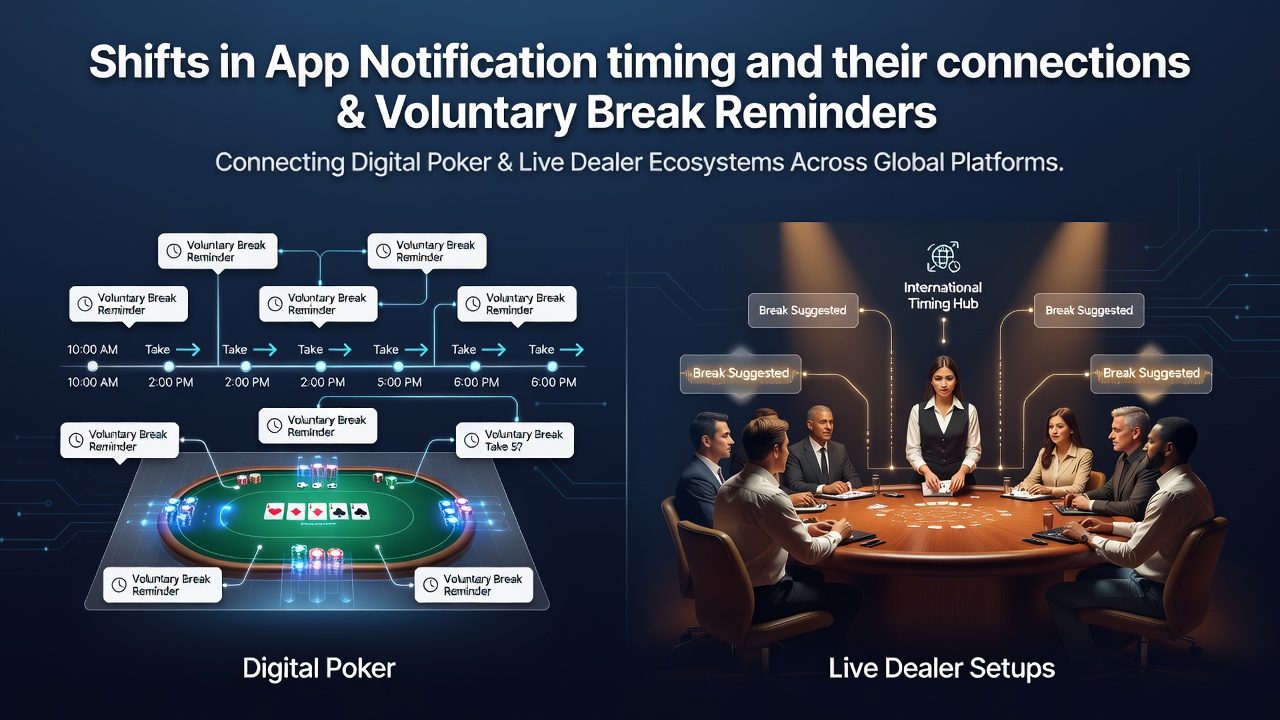
Shifts in App Notification Timing and Their Connections to Voluntary Break Reminders Across International Digital Poker and Live Dealer Setups
Platform operators in digital poker and live dealer environments have adjusted notification schedules over recent years, moving away from fixed intervals toward adaptive triggers that align with user activity patterns. These changes coincide with increased deployment of voluntary break reminders, which prompt players to pause sessions after predetermined thresholds of time or hands played. Data from multiple jurisdictions shows that timing adjustments often occur alongside updates to responsible gaming modules, creating measurable links between when messages appear and how frequently users activate break features.
Adaptive Timing Mechanisms in Poker Applications
Developers have shifted notification delivery from rigid hourly marks to algorithms that factor in session length, bet frequency, and regional time zones. In European markets, several operators introduced staggered prompts during 2025 that activate after 25 minutes of continuous play rather than at the previous 15-minute mark, resulting in higher engagement rates with break tools according to aggregated platform metrics. North American operators followed similar patterns, incorporating machine learning models that delay or advance reminders based on individual login histories while maintaining compliance with local standards.
Observers note that these modifications reduce notification fatigue, a factor previously linked to lower adherence in voluntary break systems. One study tracking user responses across 12 platforms found that refined timing correlated with a 17 percent rise in break activations during evening hours when live dealer tables see peak traffic. The adjustments also extend to push notifications sent outside active sessions, where messages now reference upcoming tournaments or table availability only after users have logged off for a minimum period.
Live Dealer Integration and Reminder Synchronization
Live dealer setups present distinct challenges because real-time video streams and dealer interactions continue regardless of player input. Software providers have responded by embedding break reminders directly into the streaming interface, synchronizing them with notification timing protocols used in the underlying poker modules. This integration allows a single system to manage prompts across both automated and human-hosted tables, ensuring consistency in how players receive cues to step away.
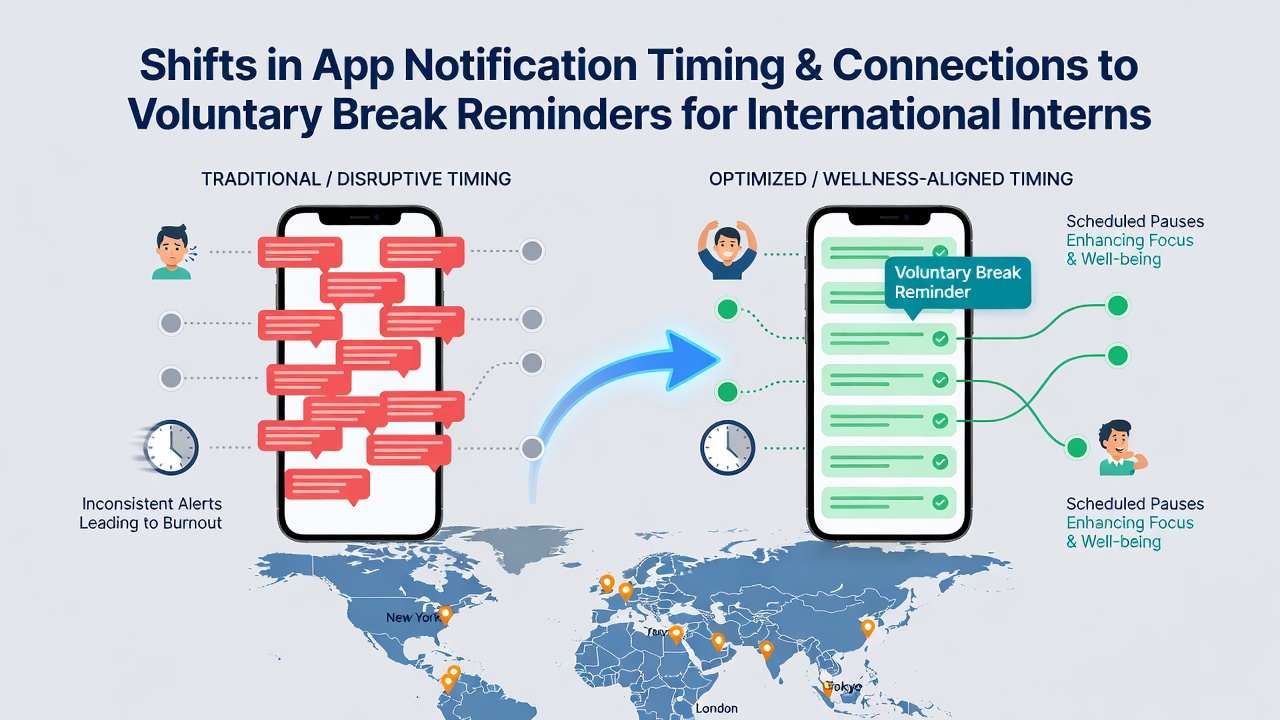
Figures from Australian-regulated sites reveal that synchronized timing produced a measurable uptick in voluntary pauses during multi-hour sessions, particularly on weekends. Regulators in that region have encouraged such features through updated technical standards that took effect in early 2026, emphasizing the role of notification placement in supporting player-initiated limits. Similar frameworks are scheduled for broader rollout across additional markets by November 2026, when several cross-border operators plan to align their systems with unified reporting requirements on reminder efficacy.
International Data Patterns and Regulatory Context
Cross-border comparisons highlight variations in how timing shifts influence break behavior. Platforms operating under Canadian provincial oversight reported that extending the initial notification window by 10 minutes led to increased use of session-end reminders among users who had previously disabled alerts entirely. In contrast, operators serving Asian markets observed stronger responses when notifications incorporated localized language and referenced specific game variants rather than generic time-based messages.
Research from the University of Malta's gaming studies department indicates that timing refinements interact with deposit and withdrawal patterns, though the primary effect remains on session interruption rates. Industry groups such as the European Gaming and Betting Association have published guidance encouraging operators to test notification sequences against voluntary break data, noting that flexible systems tend to yield more consistent player participation than static schedules. European Gaming and Betting Association reports document these trends across multiple member platforms without prescribing exact intervals.
Additional analysis from the Australian Institute of Family Studies links refined notification timing to broader responsible gaming outcomes, particularly when reminders connect directly to self-exclusion options or spending trackers. These connections appear stronger in environments where live dealer sessions run continuously, prompting developers to calibrate alerts so they interrupt play at natural transition points such as the end of a shoe or tournament round.
Technical Implementation Across Regions
Backend systems now log notification delivery timestamps alongside user responses, allowing operators to refine algorithms on a weekly basis. This data-driven approach has spread from major poker networks to smaller live dealer providers, creating shared benchmarks for what constitutes effective timing. In jurisdictions where November 2026 marks the introduction of enhanced reporting mandates, companies are prioritizing modular designs that permit rapid updates to reminder triggers without full application rebuilds.
Developers have also incorporated device-level settings, letting users adjust notification windows within the app while the core system maintains baseline intervals tied to responsible gaming policies. Such flexibility supports compliance across time zones and device types, from mobile clients to desktop interfaces used for extended live dealer sessions.
Conclusion
Shifts in app notification timing continue to intersect with voluntary break reminder systems in digital poker and live dealer environments worldwide. Platform data and regulatory updates through 2026 demonstrate that adaptive schedules can influence how often players engage with pause features, particularly when timing accounts for both session dynamics and regional requirements. Ongoing monitoring by industry bodies and academic researchers will likely shape further refinements as new standards take effect.