Seasonal Event Tie-Ins and Links to Voluntary Spending Caps in Multi-Variant Card Game Apps
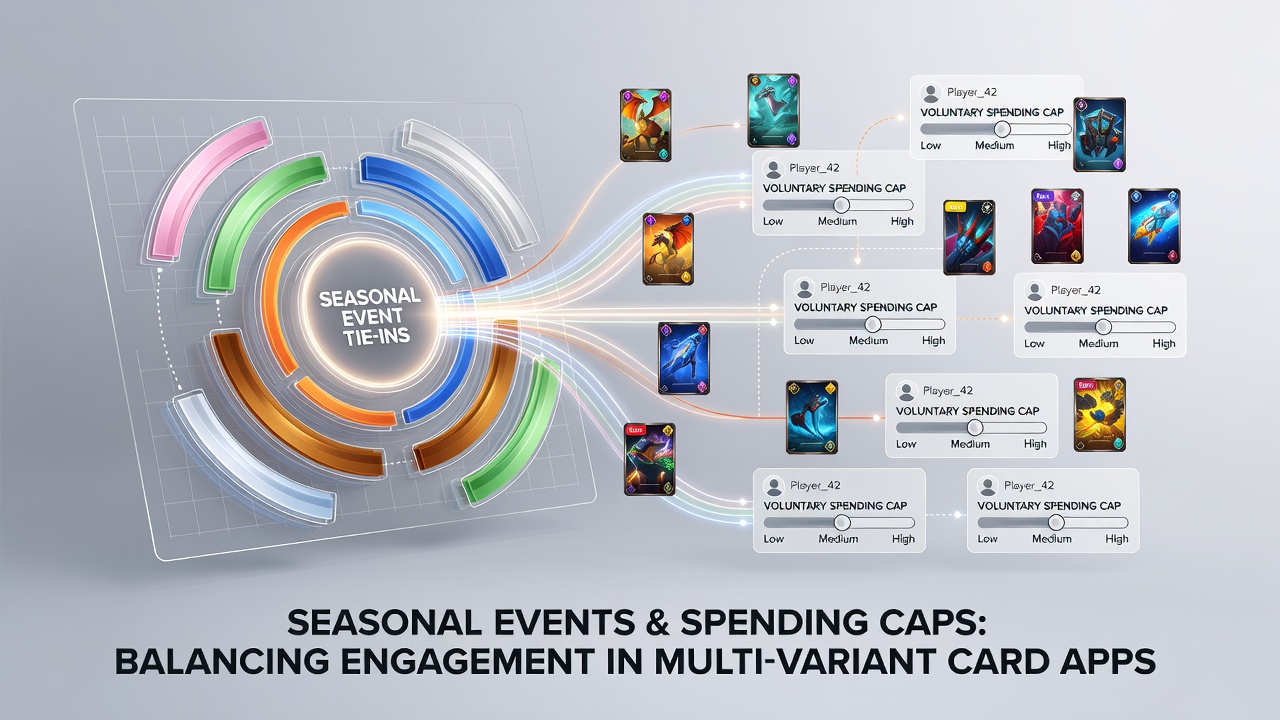
Multi-variant card game apps combine poker, blackjack, and baccarat variants into single platforms, and seasonal events have become a recurring feature that aligns limited-time rewards with player-set spending controls. These events typically run for fixed periods such as Halloween campaigns in October 2026, during which developers introduce themed card backs, bonus chips, and tournament brackets that expire after several weeks. Observers note that platforms often prompt users to review or activate voluntary spending caps at the start of these limited windows, creating a direct connection between event participation and self-imposed budget tools.
Mechanics of Seasonal Events in Card Game Apps
Seasonal events operate through structured reward ladders where players earn points by completing daily challenges or entering themed tournaments, and these ladders frequently include visible spending thresholds that users can adjust before joining. Data from app analytics firms shows that activation rates for voluntary caps increase by measurable margins during the first seven days of an event launch, because the temporary nature of rewards encourages players to define limits in advance. Researchers tracking user behavior across multiple platforms have documented that cap adjustments occur most often when event descriptions list escalating entry fees or premium item costs.
Developers integrate cap reminders through in-app banners and push notifications timed to coincide with new event tiers, while the underlying systems track cumulative spend against each user-defined ceiling without interrupting gameplay. In October 2026 several apps are scheduled to run parallel events that share the same cap interface, allowing players who participate across variants to maintain one unified limit rather than separate controls for each game type. This unified approach stems from platform updates rolled out in prior years that centralized account settings for all card variants.
Patterns Observed in Cap Usage During Events
Industry reports compiled by organizations such as the Victorian Responsible Gambling Foundation indicate that voluntary cap engagement rises in correlation with the number of active seasonal events on a given platform. Figures reveal that users who set caps before an event begins maintain those limits through at least 80 percent of the event duration, whereas users who set caps mid-event show higher rates of revision. The data further shows that multi-variant apps record greater cap consistency across poker and blackjack variants when a single seasonal leaderboard spans both game types.
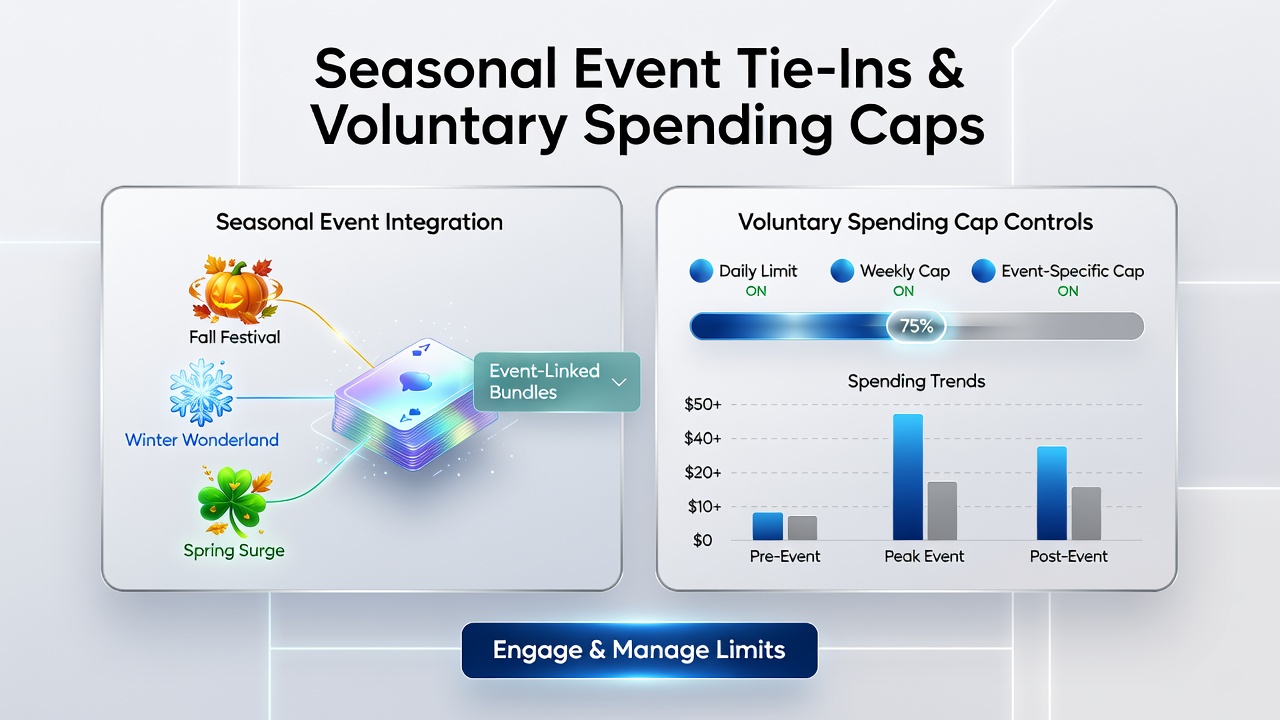
Platform telemetry collected during past holiday seasons demonstrates that cap notifications placed alongside event progress bars receive higher interaction rates than standalone settings menus. Those who study these patterns have recorded that players often review their caps immediately after claiming a seasonal reward that required an in-app purchase, suggesting the event itself functions as a trigger point for budget reassessment. Cross-platform comparisons further indicate that apps offering shared events across multiple card variants experience more uniform cap adherence than apps running isolated events per variant.
Regulatory and Platform Responses
Regulatory bodies in several jurisdictions have begun examining how seasonal event structures intersect with voluntary spending tools, with the Australian Gambling Research Centre publishing summaries that track cap activation alongside event calendars. These summaries document that platforms operating in regulated markets must display cap options within event onboarding flows, and non-compliance has led to corrective notices in documented cases. Developers respond by embedding cap prompts directly into event menus rather than requiring navigation to separate account sections.
Technical implementations vary, yet most systems now log cap status at the moment a player enters a seasonal tournament or purchases an event bundle. This logging supports audit requirements while giving users real-time visibility into remaining budget relative to event duration. Analysts examining transaction records across regions note that the linkage between events and caps appears strongest in apps that allow simultaneous participation in multiple card variants under one account.
Future Developments Expected in 2026
October 2026 events are anticipated to feature expanded cross-variant leaderboards that automatically reference user spending caps before tournament registration completes. Early platform announcements indicate that new event formats will include optional cap-linked reward multipliers, where maintaining an active spending limit unlocks additional themed items without requiring further purchases. Research teams monitoring pilot programs report that such mechanics increase the proportion of players who review their caps at event start rather than during active play.
Continued refinement of these systems focuses on reducing friction between event participation and cap management, with developers testing interfaces that surface spending data alongside event timers. Observers tracking adoption rates expect the established pattern of elevated cap engagement during seasonal periods to persist as more apps adopt unified account structures across card game variants.
Conclusion
Seasonal event tie-ins in multi-variant card game apps have evolved into structured features that coincide with voluntary spending cap activity at measurable rates. Platform data, regulatory summaries, and user behavior records collectively demonstrate that event timing influences when and how players interact with spending controls. As October 2026 approaches, the integration of these elements continues to follow documented patterns observed across prior seasonal cycles, with platforms maintaining centralized cap systems that apply uniformly across poker, blackjack, and related variants.