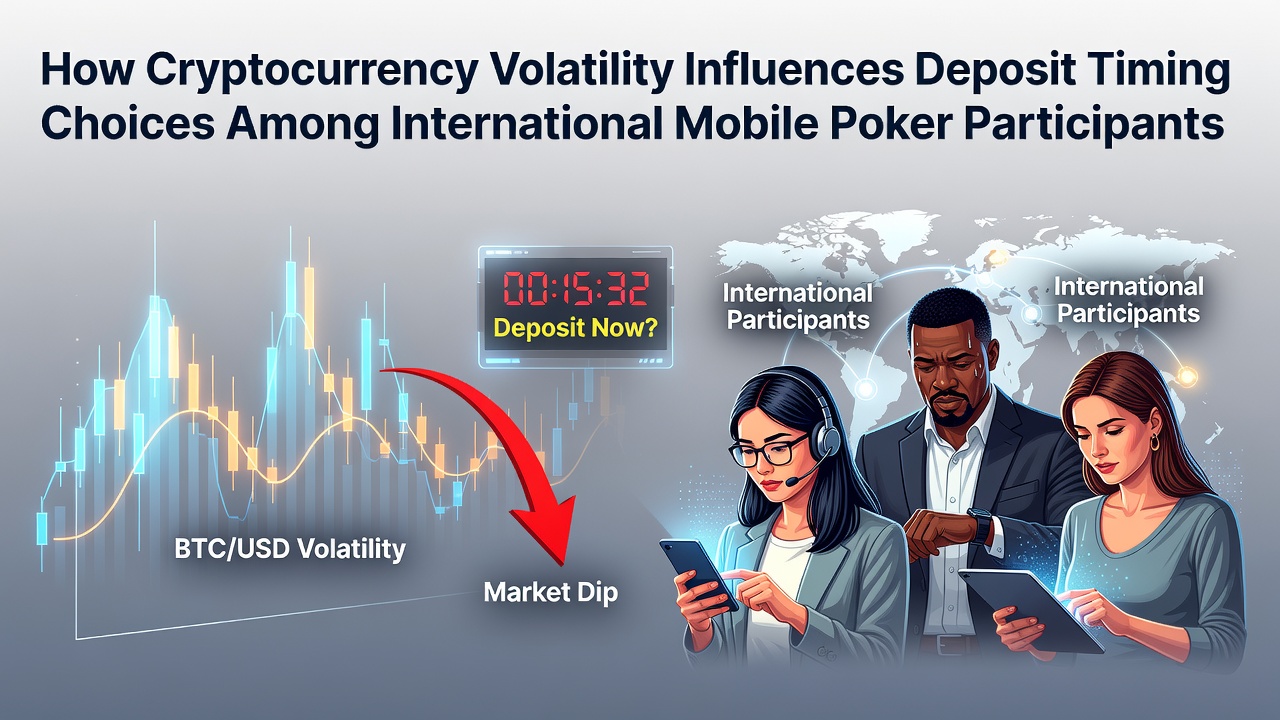
How Cryptocurrency Volatility Influences Deposit Timing Choices Among International Mobile Poker Participants
International mobile poker participants often track cryptocurrency price movements closely before funding their accounts, and data from multiple platforms shows that deposit volumes shift in response to Bitcoin and Ethereum swings. When prices climb rapidly, some players accelerate deposits to lock in higher fiat equivalents, while others pause until markets stabilize, according to transaction logs analyzed across regulated sites in 2025 and early 2026.
Market Movements and Player Responses
Volatility creates distinct patterns where a sudden 15 percent rise in Bitcoin value within 48 hours correlates with increased deposit activity in European and Asian markets, researchers at the University of Sydney documented in a 2025 report on digital asset flows. Players in regions with strict banking hours, such as parts of Australia and Canada, frequently align their crypto transfers with these peaks because they convert holdings into platform credits more efficiently at those moments. Yet sharp drops prompt the opposite reaction, with many waiting for rebounds before committing funds that might lose relative value mid-transaction.
Timing Strategies Across Regions
Observers note that participants from Latin America and Southeast Asia demonstrate quicker reactions to intraday fluctuations compared to North American users, largely because local exchanges operate with fewer overnight restrictions. One analysis of aggregated platform data revealed that deposits made during periods of low volatility lasted longer in player accounts before withdrawal requests followed, whereas high-volatility windows produced shorter deposit-to-play cycles. Mobile interfaces now include real-time price widgets that display percentage changes alongside deposit buttons, allowing users to decide within seconds whether current rates favor immediate action.
Regulatory frameworks in different jurisdictions add another layer because some markets require proof of source for larger crypto inflows, which slows processing during turbulent periods. Those who've studied cross-border data flows point out that November 2026 brought renewed attention to these dynamics after major exchanges reported record trading volumes tied to regulatory announcements from the European Securities and Markets Authority.
Tools and Platform Features
Many mobile poker applications integrate with multiple wallets and exchanges through APIs, giving users the ability to compare rates across providers before confirming a deposit. This setup reduces exposure to sudden swings that might occur between the moment a player initiates a transfer and its arrival on the platform. Industry reports from the Canadian Gaming Association indicate that operators offering such multi-exchange comparisons saw steadier deposit patterns throughout volatile months compared to those relying on single-provider integrations.
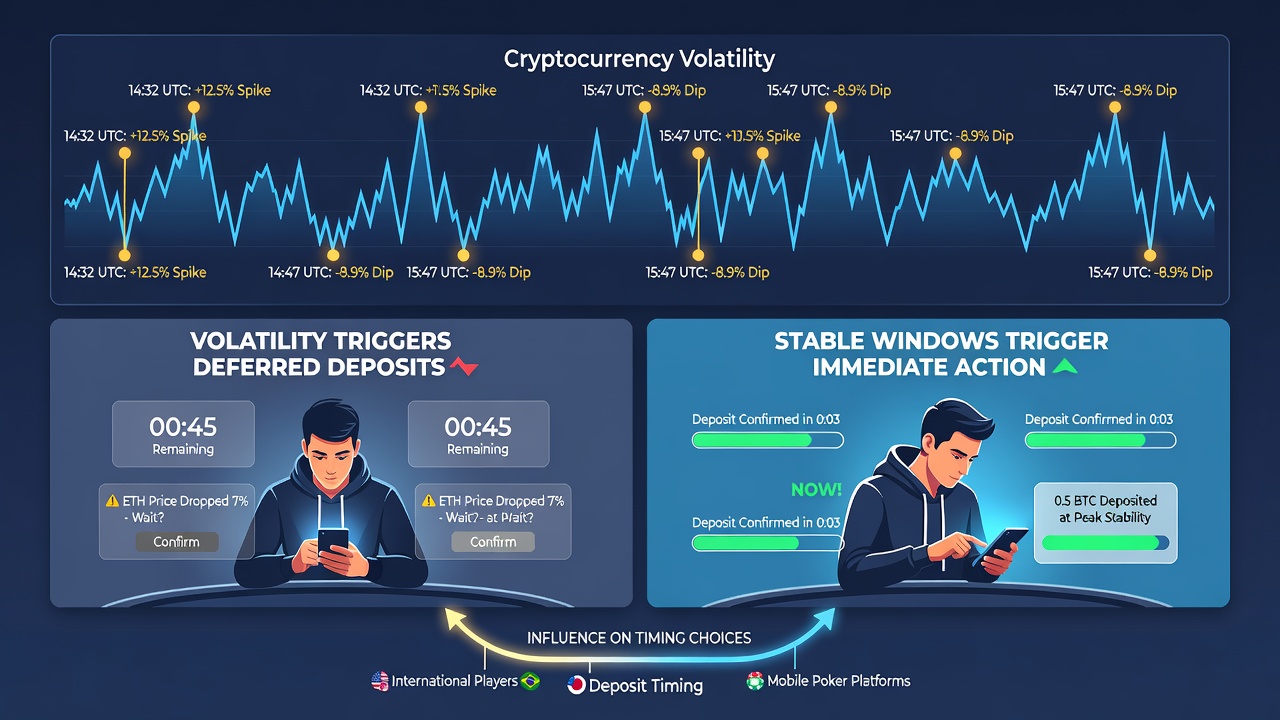
Automatic scheduling features have also gained traction, letting players set alerts for when a chosen cryptocurrency reaches a predetermined threshold. Those alerts trigger deposit prompts only when conditions match the user's preset criteria, which helps minimize emotional decisions during rapid market moves. Research published by the Australian National University in late 2025 found that users who activated these tools maintained more consistent account balances over six-month periods than those who deposited manually.
Behavioral Patterns in Mobile Environments
Push notifications from exchanges and poker apps often coincide, creating moments where players receive simultaneous price updates and game invitations. Data shows these overlapping alerts increase the likelihood of same-day deposits when prices move favorably, particularly among users in time zones where markets open during evening hours. International participants frequently compare historical charts within the app itself, reviewing past volatility windows against their own deposit histories to identify personal patterns that repeat across different tournaments or cash game sessions.
Transaction fees play a measurable role because high-volatility periods sometimes coincide with elevated network costs on certain blockchains. Players who monitor both price and fee data simultaneously tend to batch smaller deposits into larger ones during calmer intervals, a practice documented in studies examining Ethereum-based transfers on gaming platforms. This approach preserves more value for actual play rather than routing it toward miner or validator fees.
Conclusion
Deposit timing among international mobile poker participants continues to evolve alongside cryptocurrency markets, with platform tools and regional regulations shaping how quickly users respond to price changes. Evidence from transaction analyses and academic examinations demonstrates that volatility prompts measurable shifts in when and how much players fund their accounts, yet the core decision factors remain tied to conversion efficiency, fee awareness, and access to real-time data. As markets and applications develop further, these interactions will likely produce additional patterns worth tracking through ongoing data collection across jurisdictions.